Imagine stepping into your living room after a long day. The lights soften to a warm amber glow that complements the linen curtains and velvet sofa, the air feels perfectly balanced without a single vent rattling, and your favorite playlist fades in gently as the blinds adjust to the golden hour light filtering through. No switches flicked, no apps yanked open—just pure, effortless harmony. This isn’t a futuristic fantasy. It’s the everyday magic of smart home technology.
For homeowners, renters, and interior design lovers who want their spaces to feel as beautiful as they function, smart home technology has become the ultimate design partner. It quietly disappears into the architecture while elevating every detail—from the way sunlight dances across textured walls to the cozy mood lighting that makes Friday nights feel luxurious. Whether you’re refreshing a compact apartment or planning a full home renovation on a realistic budget, smart home technology delivers convenience, beauty, and peace of mind without sacrificing style.
In this guide, we’ll explore how smart home technology works its way into thoughtful interiors, the real-life benefits that make daily living smoother, practical ways to integrate it seamlessly, and inspiring setups you can recreate today. Get ready to fall in love with a home that anticipates your needs and looks stunning while doing it.
Why Smart Home Technology Matters in Today’s Homes
Smart home technology isn’t about gadgets for gadgets’ sake. It’s about creating spaces that support the way you actually live—calm, connected, and beautifully efficient. In a world of busy schedules and rising energy costs, it brings emotional comfort (the sigh of relief when the house “just knows” you’re home) and practical wins (lower bills, fewer chores, more time to enjoy your carefully chosen decor).
Homeowners report feeling less stressed and more in control when lighting, temperature, and security respond intuitively. Renters love that wireless options require zero permanent changes. Interior enthusiasts appreciate how sleek, minimalist devices complement rather than compete with thoughtful design choices like warm wood tones, soft neutrals, or bold accent walls.

What Is Smart Home Technology and How Does It Work?
At its heart, smart home technology connects everyday devices through the Internet of Things (IoT), allowing them to communicate, automate, and respond to your routines. Voice commands, smartphone apps, or simple sensors handle the heavy lifting so your home feels alive and attentive.
The technology behind smart home systems is surprisingly straightforward: a central hub or app links compatible devices—lights, thermostats, locks, speakers, and more—creating a responsive ecosystem. Many modern setups now use open standards like Matter for effortless compatibility across brands, making integration smoother than ever.
The Evolution of Smart Home Technology
While the concept feels cutting-edge, smart home technology has roots in the 1970s with early automation systems. Today’s versions are wireless, affordable, and design-forward—perfect for blending into any interior style from Scandinavian minimalism to warm modern maximalism.

Benefits of Smart Home Technology for Everyday Living
The advantages go far beyond convenience. Smart home technology delivers:
- Energy efficiency — Automated lighting and climate control can slash utility bills by 10–20% while keeping rooms perfectly comfortable.
- Enhanced security and peace of mind — Smart locks, cameras, and motion sensors let you check your home from anywhere without bulky visible hardware.
- Accessibility and aging in place — Voice-activated lights, adjustable blinds, and fall-detection alerts make homes safer and more inclusive for older adults or anyone with mobility needs.
- Personalized comfort — Rooms that adjust temperature, lighting, and sound to your mood or the time of day feel like a daily luxury.
These benefits turn a well-designed space into one that actively cares for you.
Types of Smart Home Technology to Consider
From lighting and climate control to entertainment and security, the main categories include:
- Smart lighting — Dimmable bulbs and fixtures that shift from daylight white to cozy amber with a word.
- Smart climate control — Thermostats that learn your schedule and optimize heating or cooling.
- Smart security — Doorbells, locks, and cameras that blend discreetly into entryways.
- Smart entertainment — Speakers and TVs that disappear into cabinetry or floating shelves.
Choosing the right mix depends on your space, budget, and design vision.

How Smart Home Technology Boosts Energy Efficiency and Sustainability
One of the most compelling uses of smart home technology is its power to reduce waste. Motion-sensor lights that turn off when rooms are empty, smart plugs that cut power to idle devices, and thermostats that adjust based on occupancy all work together to create a greener home. Pair these with energy-efficient LED fixtures in soft, layered lighting schemes and you’ll notice the difference on your bills and in the serene, uncluttered atmosphere of your rooms.
Smart Home Technology in Apartments and Rental Spaces
Renters no longer have to compromise on modern living. Battery-powered or plug-in smart devices require no rewiring, making them ideal for apartments. Imagine a compact kitchen where smart lighting under cabinets creates a warm glow against quartz counters, or a studio where automated blinds maximize natural light while protecting privacy. Wireless options let you take your smart home technology with you when you move—true design freedom.
Integrating Smart Home Technology into Thoughtful Interior Design
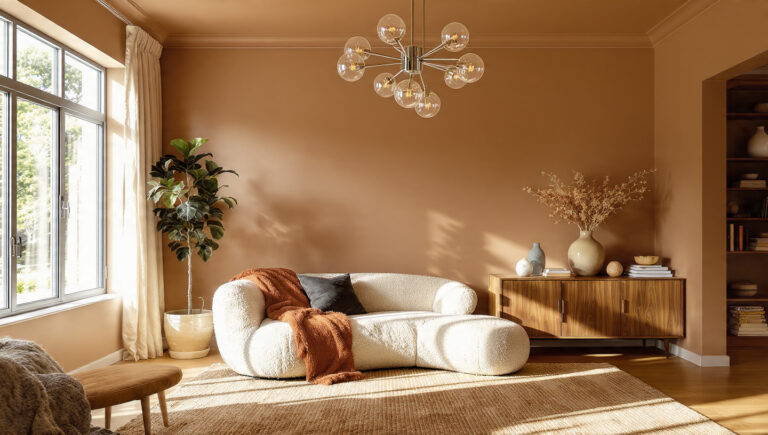
The secret to success? Treat smart devices as design elements rather than tech add-ons. Choose matte-black or brushed-metal finishes that echo your hardware, hide hubs behind cabinetry, and use paint colors that enhance the glow of smart bulbs (think warm greiges and earthy terracotta for cozy evenings).

6 Beautiful Setups That Blend Smart Home Technology with Interior Style
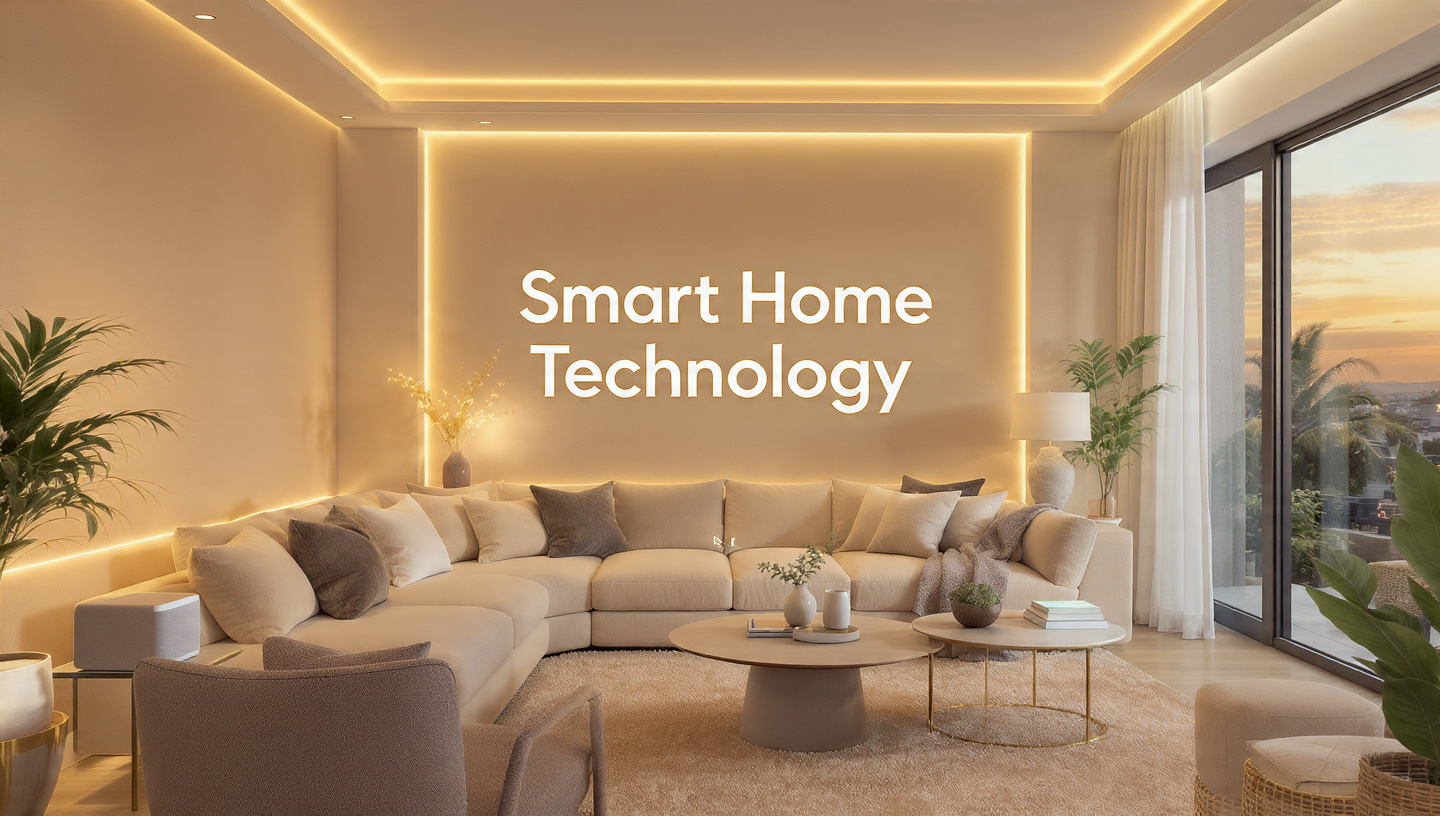
- Serene Evening Living Room Soft beige sectional, layered jute rugs, and smart bulbs set to a gentle 2700K amber. As the sun sets, lights gradually dim and the fireplace effect projector flickers to life. The room feels like a warm embrace—textural, inviting, and utterly relaxing.
- Minimalist Kitchen Glow-Up White shaker cabinets meet smart under-cabinet lighting and a voice-controlled faucet. A sleek smart display tucked into the backsplash shows recipes while pendant lights adjust to task or mood lighting. Clean lines and reflective surfaces make the space feel twice as large.
- Cozy Bedroom Sanctuary Linen bedding in soft sage and cream, automated blackout curtains that close at bedtime, and a bedside lamp that wakes you with gentle sunrise simulation. The result? A bedroom that supports better sleep and looks like a high-end hotel suite.
- Functional Home Office Nook Floating desk against a feature wall painted in deep teal. Smart lighting shifts from cool daylight for focus to warm tones for video calls. Cable-free charging pads keep the surface clutter-free and stylish.
- Welcoming Entryway A slim console table with a smart doorbell camera disguised as decor, motion-activated sconces in brushed brass, and a voice-activated welcome playlist. The first impression is calm, elegant, and completely stress-free.
- Spa-Like Bathroom Retreat Warm wood accents, marble-look tiles, and smart mirrors with built-in lighting and defoggers. Voice commands adjust the shower speaker and exhaust fan—pure luxury without a single visible wire.
How to Recreate These Looks: Shopping & Sourcing Guide

Start small and scale up. Budget-friendly entry points include plug-in smart bulbs (under $15 each) and app-controlled outlets that work with existing lamps. For a premium feel, invest in integrated systems with Matter compatibility for future-proofing.
Key design-forward picks:
- Matte-finish smart switches that match your cabinet hardware.
- Wireless smart thermostats in neutral colors that disappear against walls.
- Voice assistants hidden in custom millwork or styled on open shelves with books and ceramics.
- Paint recommendations: Benjamin Moore “Revere Pewter” for versatile backdrops that flatter smart lighting; Farrow & Ball “Hague Blue” for dramatic evening drama.
Shop at major retailers or direct from brands known for seamless aesthetics. Always check compatibility before purchasing to avoid frustration.
Common Mistakes to Avoid
Don’t overload one room with too many devices—layer thoughtfully. Skip clunky white plastic gadgets in favor of design-conscious options. Test placement for voice recognition and lighting coverage before final installation. And always prioritize security: use strong passwords and keep firmware updated.

The Future of Smart Home Technology
As systems become even more intuitive and sustainable, expect seamless integration with natural materials, biophilic design, and health-focused features like air-quality sensors that subtly adjust ventilation while maintaining your chosen aesthetic.
Conclusion
Smart home technology is the invisible thread that ties thoughtful interior design together—making spaces more responsive, efficient, and deeply personal. It enhances the beauty you’ve already created rather than competing with it.
Ready to make your home feel as good as it looks? Start with one room, one device, and watch the transformation unfold. Your future self (and your utility bill) will thank you.
Ready to bring smart home technology into your space? Drop your biggest design challenge or favorite smart feature in the comments below. Share your before-and-after photos—we’d love to see how you make technology feel like home. For more inspiration on color palettes, space planning, and modern living, explore our guides on energy-efficient interiors and apartment-friendly design updates.